
Boost Construction Efficiency with Advanced Additives: Benefits of Concrete Additives
- Luca Bellavita
- Mar 28
- 3 min read

Concrete remains the backbone of modern construction. Yet, as demands for faster, stronger, and more sustainable building materials grow, traditional concrete mixes often fall short. This is where advanced concrete additives come into play. These additives enhance the properties of concrete, making your projects more efficient, durable, and cost-effective. In this article, you will discover how these additives can transform your construction processes and outcomes.
Understanding the Benefits of Concrete Additives
Concrete additives are substances added to the mix to improve its performance in various ways. They can modify the setting time, increase strength, improve workability, and even enhance durability against environmental factors. Using additives allows you to tailor concrete to specific project needs, reducing waste and delays.
Some key benefits include:
Improved Workability: Additives can make concrete easier to pour and shape, reducing labour time.
Faster Setting Times: Accelerators help concrete cure quicker, allowing for faster project completion.
Enhanced Strength: Certain additives increase the compressive and tensile strength of concrete.
Durability: Additives can protect concrete from freeze-thaw cycles, chemical attacks, and corrosion.
Sustainability: Some additives reduce the amount of cement needed, lowering the carbon footprint of your projects.
By integrating these additives, you can optimise your construction workflow and deliver higher-quality structures.
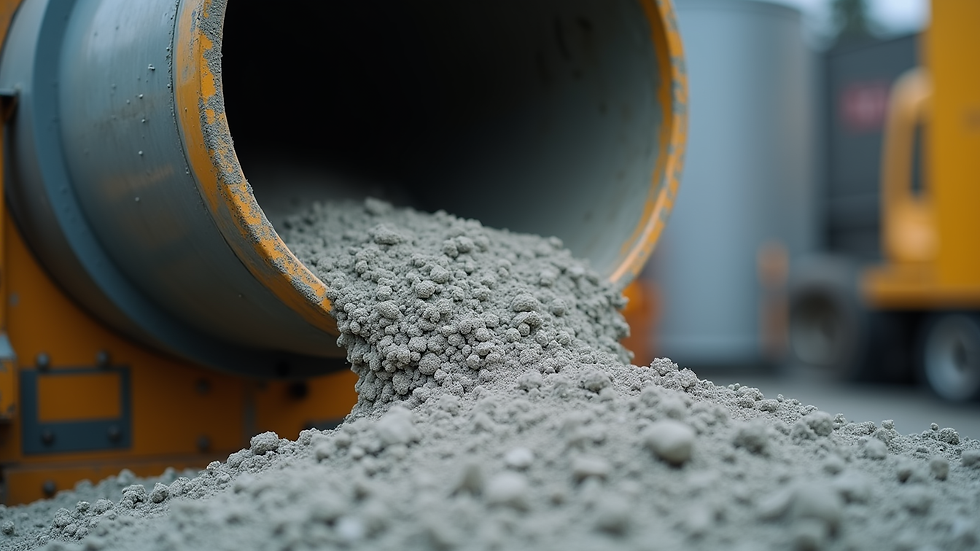
How Advanced Additives Improve Construction Efficiency
Advanced additives go beyond basic improvements. They enable you to address specific challenges on site and adapt to varying environmental conditions. Here are some ways they boost efficiency:
Reduced Material Waste
Additives improve the consistency and flow of concrete, which means less spillage and fewer rejected batches. This saves money and reduces environmental impact.
Lower Energy Consumption
Some additives allow concrete to cure at lower temperatures or with less water, cutting down on energy and resource use.
Extended Workability Time
Retarders slow down the setting process, giving you more time to transport and place concrete without compromising quality.
Improved Pumpability
Additives reduce friction inside pumps and pipes, making it easier to move concrete over long distances or to elevated locations.
Resistance to Harsh Conditions
Water-repellent and corrosion-inhibiting additives protect concrete in aggressive environments, reducing maintenance needs.
Using products like i-glooadvance concrete additives can help you achieve these benefits with proven formulations designed for modern construction demands.
What is the 10/20/30/40 Rule for Concrete?
The 10/20/30/40 rule is a guideline used to optimise concrete mix design for strength and durability. It refers to the maximum allowable percentages of certain components or characteristics in the mix:
10% - Maximum cement replacement by supplementary materials like fly ash or slag.
20% - Maximum water-cement ratio to ensure adequate strength.
30% - Maximum aggregate size percentage to maintain workability.
40% - Maximum air content to balance durability and strength.
Following this rule helps you create concrete that meets performance standards while minimising costs and environmental impact. Advanced additives can assist in maintaining these ratios by improving mix stability and performance.
Practical Tips for Using Concrete Additives Effectively
To get the most out of concrete additives, consider these actionable recommendations:
Test Before Full-Scale Use
Always conduct trial mixes to understand how additives affect your specific materials and conditions.
Follow Manufacturer Guidelines
Dosage and mixing instructions are critical. Overuse or underuse can lead to poor results.
Combine Additives Wisely
Some additives work synergistically, while others may conflict. Consult technical data sheets or experts.
Monitor Environmental Conditions
Temperature and humidity affect curing. Adjust additive types and amounts accordingly.
Train Your Team
Ensure everyone involved understands how additives change handling and curing processes.
By applying these tips, you can avoid common pitfalls and maximise the benefits of advanced additives.

Future Trends in Concrete Additives for Sustainable Construction
The construction industry is moving towards sustainability without sacrificing performance. Advanced additives play a crucial role in this transition. Here are some trends to watch:
Eco-Friendly Additives
New formulations use natural or recycled materials to reduce environmental impact.
Smart Additives
These can respond to environmental changes, such as self-healing concrete that repairs cracks automatically.
Carbon Capture Integration
Additives that help concrete absorb CO2 during curing are gaining attention.
Improved Compatibility with Alternative Cements
As low-carbon cements become more common, additives are being tailored to work with them effectively.
Staying informed about these developments will help you keep your projects ahead of the curve.
Enhancing Your Construction Projects with Advanced Additives
Incorporating advanced concrete additives into your workflow is a strategic move. They offer tangible benefits that improve efficiency, reduce costs, and support sustainability goals. Whether you are dealing with tight deadlines, challenging environments, or ambitious performance targets, additives provide the flexibility and reliability you need.
Explore options like i-glooadvance concrete additives to find solutions that align with your project requirements. By embracing these innovations, you position your construction efforts for success today and in the future.



Comments